
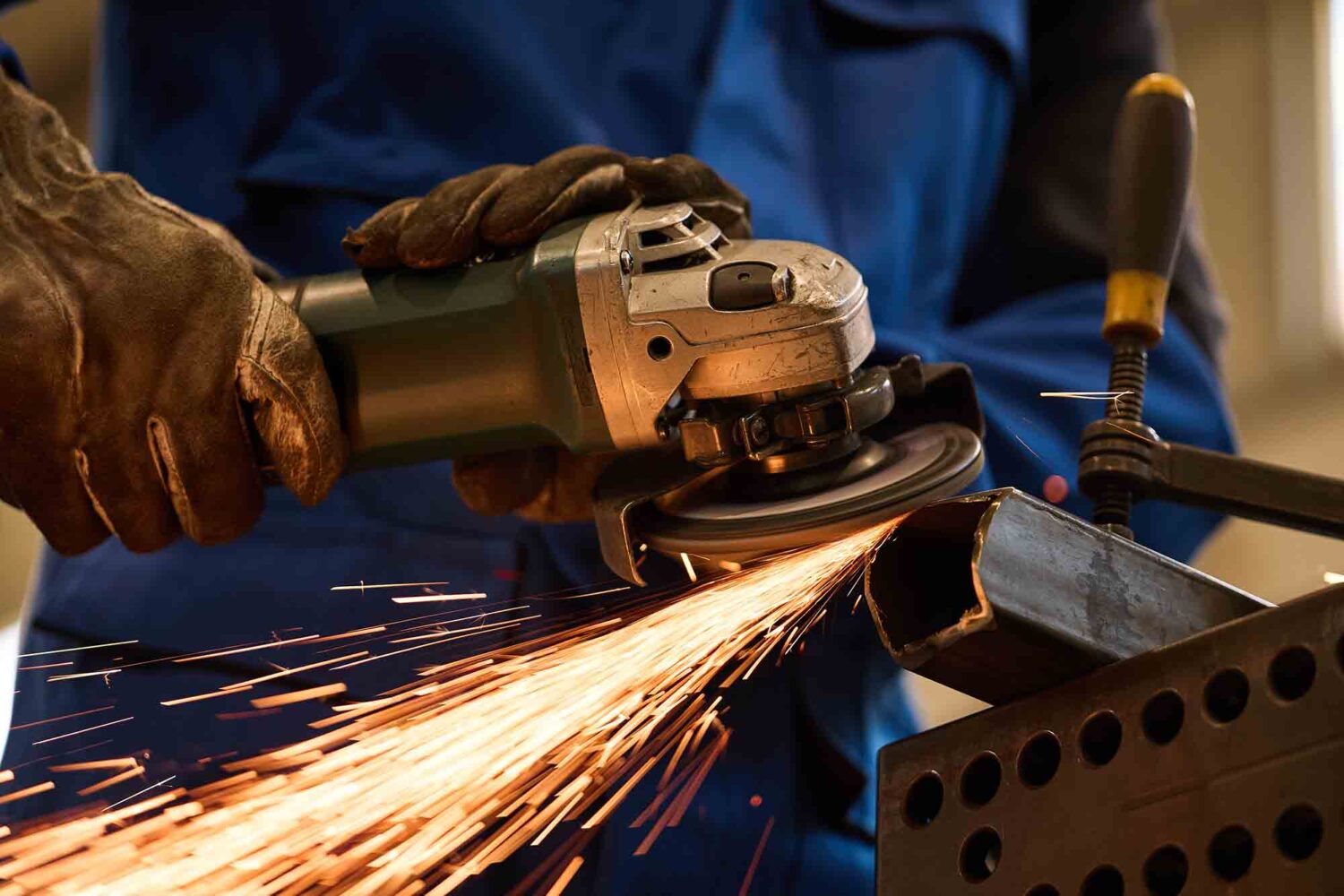
Manufacturers and industrial businesses often face challenges balancing production demands, equipment costs, and specialized fabrication requirements. Maintaining every fabrication process internally can require substantial investments in machinery, skilled labor, and facility space. For businesses with changing production needs, outsourcing metal fabrication can provide a practical alternative.
Working with an experienced metal fabrication partner gives companies access to specialized equipment and technical expertise without requiring them to expand their internal manufacturing operations. This approach can help businesses manage costs, improve production flexibility, and maintain consistent quality while focusing their resources on core operations.
What Is Outsourcing Metal Fabrication?
Outsourcing metal fabrication involves contracting an external manufacturer to produce metal parts, components, or assemblies according to specific project requirements. Rather than completing every fabrication process internally, businesses rely on specialized providers for services such as CNC machining, laser cutting, bending, forming, and welding.
Manufacturers may outsource fabrication when internal production capacity is limited, specialized equipment is unavailable, or projects require expertise beyond their existing capabilities. This approach can also help businesses obtain custom components or accommodate additional orders without investing in new equipment or personnel.
Key Benefits of Outsourcing Metal Fabrication
Outsourcing can provide several financial and operational advantages, depending on the scope of the project and the capabilities of the fabrication partner.
Reduced Equipment and Operating Costs
Metal fabrication equipment can require significant upfront investments, along with ongoing expenses for maintenance, repairs, training, and facility space. Outsourcing allows businesses to access these capabilities without purchasing and maintaining every piece of equipment themselves.
Outsourcing can also reduce the need to hire dedicated personnel for specialized fabrication processes. By purchasing these services as needed, manufacturers may replace some fixed operating expenses with project-based costs.
When evaluating outsourcing costs, manufacturers should also consider materials, transportation, inspection requirements, and potential rework rather than focusing solely on the quoted fabrication price.
Access to Specialized Equipment and Expertise
Custom metal fabrication often requires specialized machinery and experienced technicians. Working with an established fabrication company gives manufacturers access to equipment and processes that may be difficult or costly to maintain internally.
Capabilities such as CNC machining, laser cutting, press brake forming, tube bending, and welding allow fabrication partners to manufacture components according to specific dimensions, material requirements, and design specifications. Experienced fabricators can also help identify practical manufacturing considerations before production begins.
Greater Production Flexibility and Scalability
Production demands can fluctuate based on customer orders, seasonal activity, and changing project requirements. Outsourcing allows manufacturers to supplement internal capacity without permanently expanding their workforce or facilities.
External fabrication partners may support custom one-off components, specialized orders, and repeat production runs. This flexibility is particularly useful when internal equipment is operating near capacity or a project requires fabrication processes that are not regularly performed in-house. By shifting selected fabrication work to an outside provider, internal teams can concentrate on their primary manufacturing responsibilities.
Improved Production Efficiency and Lead Times
Outsourcing metal fabrication can help reduce production bottlenecks when internal resources are limited. Established fabrication companies already have dedicated equipment, trained personnel, and production processes that may allow them to complete specialized work efficiently.
Working with a domestic fabrication partner may offer shorter shipping distances, easier communication, and more convenient production coordination. For U.S. manufacturers, domestic sourcing can also reduce some of the logistical challenges associated with importing fabricated components. However, actual turnaround times depend on project complexity, material availability, production capacity, and scheduling requirements.
Quality Control and Consistent Results
Precision and consistency are important when producing metal components for industrial and structural applications. Experienced fabrication partners can support these requirements through established manufacturing procedures, skilled personnel, and appropriate inspection practices.
Quality-control procedures may include verifying material specifications, checking dimensional accuracy, inspecting welds, and maintaining production documentation. Depending on the application, manufacturers may also request inspection records or material traceability information.
Before selecting a supplier, businesses should verify that the company’s quality-control procedures, inspection capabilities, and relevant certifications meet their project requirements.
Advantages of Working With a Full-Service Metal Fabrication Partner
Some manufacturing projects require several fabrication processes to produce a finished component or assembly. Coordinating machining, cutting, bending, and welding across multiple suppliers can increase administrative work and complicate production scheduling.
A full-service metal fabrication partner can simplify production by handling multiple manufacturing processes within one facility. This approach may reduce the number of vendors involved while improving communication and coordination throughout the project.
This approach can be especially valuable for custom metal fabrication projects involving sheet metal, plate, tubing, and welded assemblies. Working with one provider also gives manufacturers a central point of contact for discussing specifications, production schedules, and potential adjustments.
Common Applications for Outsourced Metal Fabrication
Outsourced metal fabrication supports a wide range of manufacturing and industrial applications. Businesses may require structural components, welded assemblies, machine guards, industrial carriers, or custom replacement parts for existing equipment. Specialized products such as wire carriers and stem packs may require fabrication processes or equipment that customers do not have available in-house.
Outsourcing can accommodate both individual custom orders and repeat production requirements. The appropriate fabrication methods depend on the component’s intended application, material specifications, dimensions, tolerances, and production volume.
How to Choose the Right Metal Fabrication Partner
Selecting a fabrication partner requires evaluating more than the initial quoted price. Manufacturers should consider whether a supplier has the equipment, experience, and production capacity needed to meet their specifications.
Reviewing examples of similar projects can help businesses assess a supplier’s experience and capabilities. Manufacturers should also confirm which fabrication processes are completed in-house and whether any services require subcontracting.
Communication and scheduling should be part of the evaluation process. A reliable fabrication partner should be able to discuss project requirements, provide realistic production timelines, and explain how potential manufacturing challenges will be addressed.
Businesses should also review quality-control practices, relevant certifications, and inspection capabilities. Evaluating these factors alongside pricing and production requirements can help manufacturers identify a supplier that offers the best overall fit for their project.
Outsource Your Metal Fabrication Needs to Fabritex
Founded in 1989, Fabritex is a second-generation, family-owned metal fabrication company serving manufacturers, OEMs, and industrial businesses throughout the United States. Its experience and extensive in-house capabilities allow customers to consolidate multiple fabrication processes with one provider.
Fabritex offers custom metal fabrication services that include CNC machining and milling, CNC laser cutting of sheet metal and plate, CNC press brake forming, CNC tube bending, tube and profile roll bending, and MIG welding. These capabilities support the production of custom metal components for structural, industrial, and manufacturing applications.
As a U.S.-based fabrication partner, Fabritex prioritizes responsive communication, competitive project-specific quotes, and meeting customer deadlines. Its team works closely with customers to understand their requirements and manufacture components suited to their applications.
Contact Fabritex to discuss your custom metal fabrication needs and request a project-specific quote.