
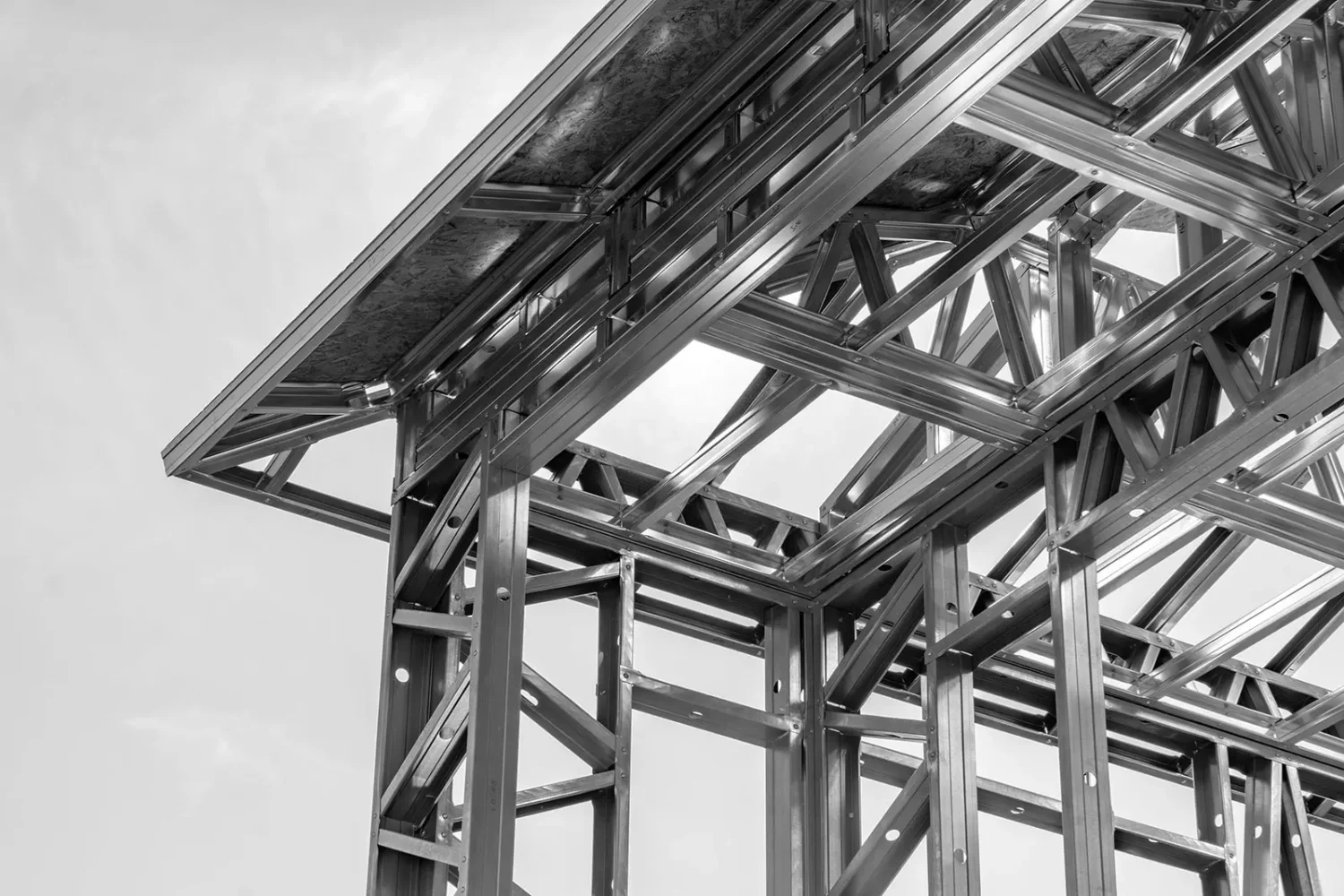
Businesses and organizations sometimes need facilities that provide more durability than a short-term temporary building without requiring conventional permanent construction. Semi-permanent structures can fill that gap, providing functional space for operations that may evolve over time.
The types of semi permanent structures available range from fabric-covered buildings and modular facilities to warehouses, event structures, and facilities used for emergency or government operations. Their designs vary based on how the space will be used, the surrounding environment, structural requirements, and how long the facility is expected to remain in place. Metal fabricators such as Fabritex support these projects by producing structural components according to project-specific requirements.
What Is a Semi-Permanent Structure?
A semi-permanent structure is designed for extended use while retaining more flexibility than a conventional permanent building. Depending on its design, a semi-permanent building may be expanded, reconfigured, relocated, or repurposed as operational needs change.
Temporary buildings, by comparison, are generally designed to address shorter-term needs. Permanent structures are typically constructed for long-term use at a fixed location. Semi-permanent buildings generally fall between these two options, although there is no single design or expected service life that applies to every project.
Local building codes, engineering requirements, site conditions, occupancy, and intended use can all affect how a semi-permanent structure must be designed and installed.
Common Types of Semi-Permanent Structures
Semi-permanent structures are used across industries for storage, operations, events, emergency response, and other applications. Common designs include the following.
Fabric-Covered and Tension Fabric Structures
Fabric-covered and tension fabric structures typically pair an engineered fabric or membrane system with a steel or aluminum frame. Depending on the design, these structures can provide large clear-span interiors without columns or support posts interrupting usable floor space.
These structures can accommodate applications such as equipment protection, industrial and agricultural storage, and events. The frame, connections, and other metal components should be fabricated according to the structure's engineering specifications and intended use.
Modular Buildings
Modular construction uses prefabricated sections or components that are manufactured off-site and assembled at the project location. This approach can reduce some of the construction activity required at the site while creating spaces that meet specific operational requirements.
Modular buildings can be used for offices, classrooms, operational facilities, and other commercial or industrial applications. Some systems can also be designed with future expansion or reconfiguration in mind.
Semi-Permanent Warehouses and Storage Structures
Organizations may use semi-permanent buildings when additional warehouse or storage capacity is needed. Applications can include overflow inventory, equipment storage, agricultural storage, salt storage, and industrial materials.
Storage requirements can differ significantly from one operation to another. The dimensions of the building, environmental exposure, equipment use, loads, access requirements, and materials being stored can all influence the structural design.
Event and Athletic Structures
Semi-permanent structures can also provide enclosed or covered space for events, sports, entertainment, and other large gatherings. Depending on the application, designs may prioritize open interior space that can accommodate seating, equipment, staging, or athletic activities.
Accurately fabricated structural frames and components help the finished assembly meet the project's engineering specifications.
Emergency, Government, and Military Structures
Semi-permanent structures can support disaster response, emergency medical operations, government activities, and military applications. They may provide additional space for personnel, equipment, supplies, or operations when a conventional permanent facility is not appropriate for the project's needs.
Requirements for these applications can vary widely, making project-specific engineering and fabrication particularly important.
Materials Used in Semi-Permanent Structures
Steel, aluminum, and heavy-duty architectural fabrics or membranes are among the materials commonly incorporated into semi-permanent structures. The appropriate combination depends on factors such as building dimensions, structural loads, environmental conditions, expected use, and engineering specifications.
Steel can be used for frames, tubes, plates, connections, and other structural components where strength and durability are priorities. Aluminum may be appropriate for structural systems where its specific material properties align with the project's design requirements. Fabric or membrane systems can provide the building envelope for compatible frame designs.
Material selection should therefore be based on the requirements of the individual project rather than assuming one material is appropriate for every semi-permanent building.
Benefits of Semi-Permanent Buildings
Flexibility is one of the primary reasons organizations consider semi-permanent buildings. Certain designs can accommodate future expansion, reconfiguration, relocation, or reuse when these requirements are considered during initial planning.
Semi-permanent structures can also be customized around specific dimensions and layouts. This flexibility allows the building to account for equipment, storage, personnel, access points, and other operational requirements.
Some semi-permanent systems can also be deployed more quickly than conventional permanent construction, particularly when components are prefabricated before arriving at the site. Actual project timelines vary based on the design, permitting, site preparation, fabrication requirements, and installation process.
Long-term performance ultimately depends on appropriate engineering, materials, fabrication, installation, environmental conditions, inspection, and maintenance.
What to Consider When Planning a Semi-Permanent Structure
Planning should begin with how the building will be used. Occupancy, equipment, stored materials, environmental exposure, structural loads, and climate-control needs can all affect the final design.
Site conditions and foundation requirements also need to be evaluated for the specific structure. Building codes, permits, fire and safety requirements, and other regulations can vary by jurisdiction and application. Project teams should identify applicable requirements before fabrication, construction, or installation begins.
Future needs are another consideration. If expansion or reconfiguration is likely, incorporating those requirements into the initial design can help the structure accommodate operational changes. Regular inspection and maintenance should also be planned according to the structure, materials, and applicable requirements.
Metal Fabrication for Semi-Permanent Structures
Metal fabrication plays an important role in producing the frames and individual components used in many semi-permanent structures. Depending on the project, these components can include structural tubes, sheet and plate parts, connections, brackets, frames, and other custom assemblies manufactured to project specifications.
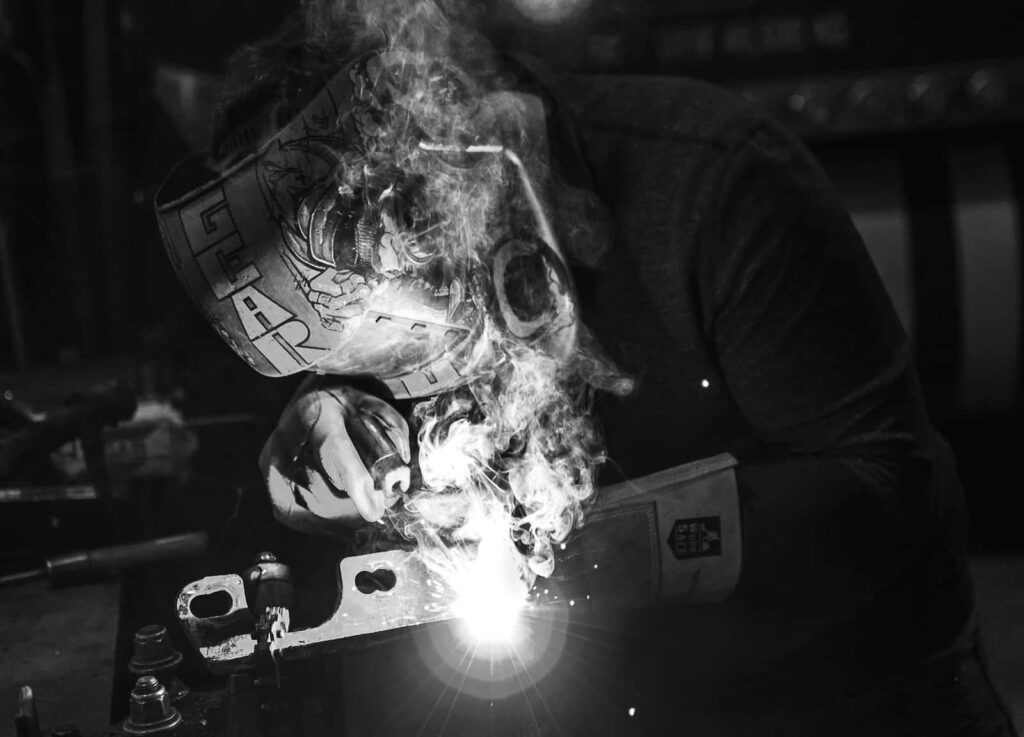
Fabritex is a U.S.-based metal fabrication company that supplies structural components to companies in the structures industry. Its in-house capabilities include CNC laser sheet and plate cutting, CNC tube bending, tube and profile roll bending, CNC brake presses, CNC machining and milling, as well as MIG, TIG, and stick welding.
Founded in 1989, Fabritex is an AISC-certified metal fabrication company that works with customers to produce custom components based on the requirements of individual structural applications. Contact Fabritex to discuss your semi-permanent structure fabrication needs and request a project-specific quote.