
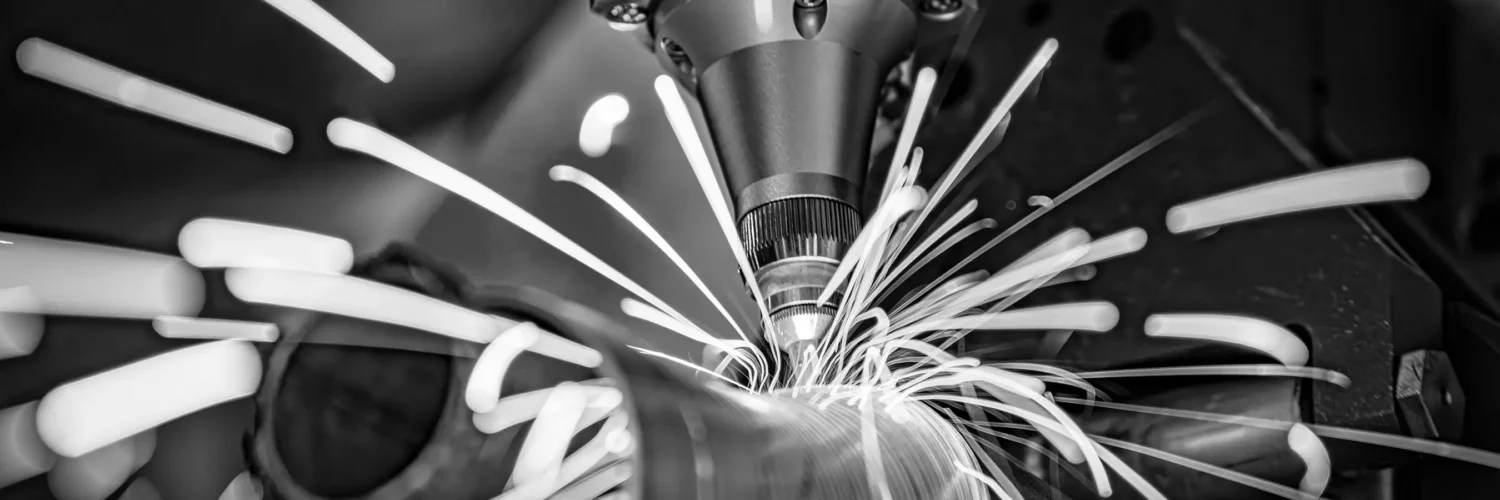
Profile Rolling Services

Profile rolling is a metal forming process that bends tubes, pipes, and structural shapes into smooth curves while keeping the original cross-section of the material. The process relies on specialized profile rolling machines, which apply controlled pressure through rotating rollers to gradually shape metal profiles.


Profile rolling makes unique shapes possible. Curved handrails, equipment frames, structural supports, and architectural elements often depend on rolled sections that cannot be produced through simple bending or straight cuts; the gradual forming process produces smooth arcs and consistent geometry across production runs.


Another advantage of profile rolling is that it preserves the strength of the material. Since the metal is formed rather than cut, the structural properties remain intact. This makes the method especially valuable for applications where durability and load-bearing performance are top priorities.


Fabritex integrates profile rolling with broader tube fabrication services. Curved components can move directly into additional fabrication processes, including machining, cutting, welding, or assembly. For customers, that prevents the coordination challenges that can occur when multiple fabrication vendors are involved.


For engineers and manufacturers designing custom assemblies, profile rolling provides a practical way to create curved metal profiles while maintaining structural integrity and fabrication efficiency.
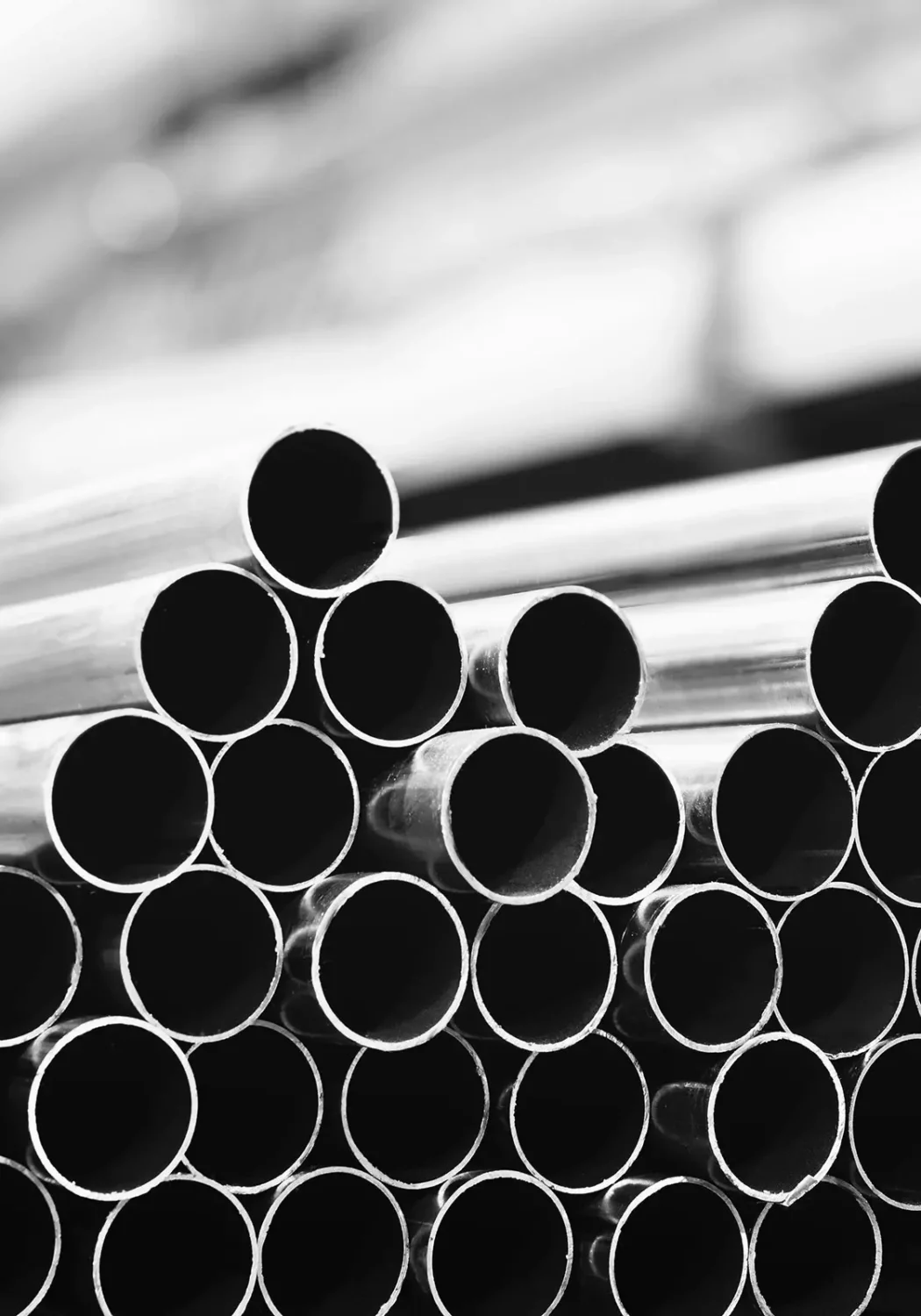
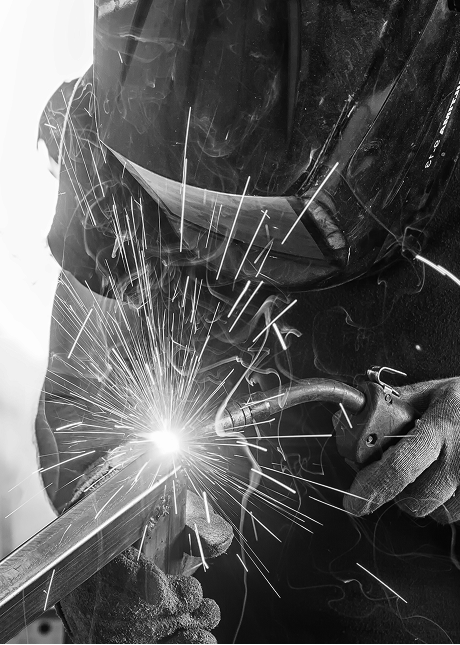
Understanding the Benefits of Profile Rolling

Profile rolling offers numerous advantages for manufacturers in need of curved metal components.


One key benefit is precision, as the process allows fabricators to produce consistent curves in structural steel, stainless steel, aluminum, and other metals used industrially. The gradual forming process maintains dimensional accuracy while creating smooth curves.


Another benefit is fabrication efficiency; a rolled profile can often replace multiple straight sections that would otherwise require cutting and welding. Producing a single curved component simplifies assembly and reduces fabrication steps, shortening production timelines.


Profile rolling also benefits structural continuity. When a curved component is produced from one continuous section of metal instead of several welded segments, the finished part will often offer better strength and load distribution.


Industries like infrastructure, manufacturing, and equipment production all rely on profile rolling to produce structural and industrial components. Curved metal profiles appear in architectural structures, equipment frames, guard rails, and mechanical assemblies.


For companies managing complex fabrication projects, working with a supplier that offers integrated rolling capabilities can streamline production planning. That’s why Fabritex provides profile rolling alongside machining, tube bending, cutting, and welding, allowing customers to manage multiple fabrication processes through a single, trusted partner.

Effective Techniques for Profile Rolling

Producing accurate curved metal profiles requires specialized equipment and process control.


One of the most common methods is roll bending, also called section bending. In this process, a metal profile passes through a set of rollers that gradually apply pressure to bend the material. Operators adjust the rollers until the desired curvature is achieved.


Profile rolling machines typically use three rollers to shape the metal. Two lower rollers support and drive the material forward, and at the same time, an adjustable upper roller applies pressure to create the curve. By adjusting roller spacing and pressure, operators control the bending radius and final shape.


Material characteristics also affect the outcome. Factors such as metal type, wall thickness, and profile geometry influence how the material responds during rolling. Experienced operators make sure to account for these variables when setting up the machine.


Another related forming process is roll forming, which shapes metal strips through a sequence of rollers for consistent cross-sections. Although roll forming and profile rolling serve different applications, both of them count on controlled pressure from rollers to shape metal profiles.


For most projects, profile rolling is only one stage in a larger fabrication workflow. After a profile is rolled, the component may move through additional processes such as cutting, machining, welding, or final assembly. Fabritex supports each stage with in-house manufacturing capabilities, allowing rolled parts to move directly to the next phase in the process. Our integrated approach helps improve project coordination and reduce delays between production stages.

Precision Curved Metal Components for Demanding Applications

Profile rolling is an essential process for creating curved metal profiles. By gradually shaping the metal between rollers, fabricators produce components with the strength and dimensional accuracy required for demanding assemblies.


Industries use this curved metal for structural systems, mechanical assemblies, and custom fabricated components. Profile rolling allows engineers to design these shapes while still prioritizing structural performance.


Fabritex incorporates profile rolling services into a complete fabrication environment that includes machining, forming, cutting, and welding. Seeking a reliable partner for custom metal components? Fabritex combines decades of fabrication experience with in-house manufacturing capabilities and a strong focus on meeting customer deadlines.

Frequently Asked Questions

What is profile rolling?

Profile rolling is a metal forming process that bends tubes, pipes, or structural profiles into curved shapes using rollers. The process relies on a profile roller or similar equipment that incrementally applies pressure to shape the material.


What does the rolling process mean in metal fabrication?

Rolling refers to shaping metal by passing it through rotating rollers that apply pressure. Profile rolling, in particular, focuses on bending structural profiles into curved forms.


What industries use profile rolling services?

Industries like construction, manufacturing, infrastructure, and equipment production commonly use profile rolling services when curved metal components are involved.


How do profile rolling machines work?

Profile rolling machines use multiple rollers to bend metal profiles. By adjusting roller pressure and spacing, operators have full control over the radius and shape of the final product.


What materials can be used in profile rolling?

The most common materials include carbon steel, stainless steel, and aluminum, all of which are widely seen in structural and industrial fabrication.


How does profile rolling fit into tube fabrication projects?

Profile rolling is usually just one step in a broader fabrication process. After a tube or structural member is rolled, it might undergo additional machining, cutting, or welding. Fabritex integrates this process within its services to streamline production.

The American Welding Society, Founded in 1919.

AWS-Certified Business

Fabritex Inc. is proud to be a member of the American Welding Society (AWS), a globally recognized organization dedicated to advancing the science, technology, and application of welding and related processes.

Looking for a Rewarding Career in Metal Fabrication?

Apply today to become a part of our family!

Careers

Strong as Steel
Since 1989

Ready to get started?
Contact us today!

Get in Touch
Young man with arms crossed